You Know Your Work Has Value. Why Is It So Hard to Say the Price?
Building confidence in your pricing and professional recommendations as a wellness practitioner.
You can believe in the value of your work and still feel uncomfortable saying what it costs. Confidence in your skills and confidence in communicating their value can develop at different speeds.
I know, because that was my experience.
When I first started massaging, I was a therapist with a desire to help people. Then people started talking to me about marketing, value adding and finding a niche.
I had very little idea what they meant.
When someone said I needed to specialise, I struggled with the idea. I could work with the whole body. Why would I choose just one part?
But many clients mentioned tightness around their neck and shoulders, so I began considering whether that could become a focus.
Then a friend and my son both developed frozen shoulder. My interest grew, and I went on to do further training and gain more experience in that area.
I was building my knowledge and becoming more practised.
Explaining the price was another matter.
When your confidence hasn’t caught up with your skills
A coach I was working with encouraged me to increase my fees to reflect the specialist knowledge I was developing.
The amount she suggested made my brain boggle.
At that time, I was contemplating how to explain a course of weekly appointments over thirteen weeks, costing well over a thousand dollars.
That was the recommendation I was considering then, rather than a standard plan for everyone. But the thought of discussing that commitment with a client felt enormous.
Would I sound pushy? How would they respond to the cost?
I wanted to help people. I was still learning how to feel comfortable discussing the financial side of that help.
There was quite a lot of inner turmoil before those conversations became easier.
Looking back, I can see that my treatment skills and my ability to communicate their value were growing at different speeds.
Perhaps you recognise that in yourself.
You may feel comfortable during the appointment, listening carefully and doing work you know well. Then the conversation turns to fees or future appointments, and you begin to hesitate.
That hesitation deserves some attention. What, specifically, feels difficult?
What changed for me
Over time, further training, practice and experience gave me a stronger foundation for those conversations.
Today, when someone asks me about my work with frozen shoulder, I feel comfortable discussing what I can offer, the fees involved and what an appropriate next step might be.
That ease developed gradually.
I had to become comfortable giving a clear explanation and allowing the client to make their own decision.
That is an important part of professional confidence: being able to stand behind your recommendation while respecting someone else’s choice.
Your client may have questions. They may need time to think, or decide that the cost does not fit their circumstances.
You can explain your work clearly and still leave room for all of those responses.
Which part of the conversation makes you hesitate?
If discussing your fees or recommending further care feels uncomfortable, try identifying the particular moment where your confidence drops.
Explaining your recommendation
Can you explain what you recommend and why, in everyday language?
Draw on what the client has told you, your observations and your professional scope. Be honest about uncertainty and avoid promising a particular outcome.
A useful explanation helps the client understand your thinking.
Saying the fee
Do you state the amount clearly, or rush through it and begin justifying yourself?
Practise saying your fee aloud in a calm, ordinary voice. Include what the appointment or service involves, then pause.
Give the other person time to take in the information.
Allowing the client to decide
How do you feel when someone needs to think about your recommendation?
A pause or a question about cost can feel uncomfortable. It also gives you an opportunity to listen.
Your responsibility is to provide clear information and appropriate guidance. Their decision belongs to them.
A waxing moon reflection: what are you ready to build?
I like using the waxing moon as a reminder to give attention to something I want to develop.
For your practice, that might be greater confidence in one conversation.
Perhaps you want to explain your recommendations more clearly, say your fee without apologising, or become more comfortable giving clients space to decide.
Choose one.
Before your next working day, take a few minutes to write down how you would explain it in your own words. Say it aloud. Notice where you become uncomfortable and consider what would help: more knowledge, a clearer explanation, practice or support.
Then try it in an appropriate conversation and reflect afterwards.
What felt easier? What needs more thought?
Confidence has room to grow when you give it something specific to practise.
Let your voice grow alongside your experience
I began with a desire to help people. Learning to communicate the value of my work became part of building a sustainable practice.
It took time.
If you are still finding your voice around fees and recommendations, consider how much you have already learned—and which part of the conversation you are ready to develop next.
Knowing your work has value and feeling comfortable communicating that value can develop at different speeds.
You can keep building both.
How rebookable is your practice?
Your recommendations are one part of the experience you create for clients.
If you would like to reflect on the relationships, communication and client care supporting your practice, take the free REBOOK Forever™ Practice Assessment.
It is a useful place to identify what is working and where you could focus your attention next.
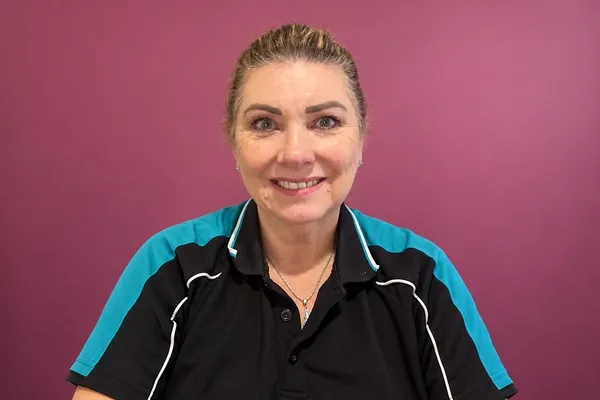
By Sharon Bremner, founder of REBOOK Forever™ and an experienced massage practitioner and business mentor.
